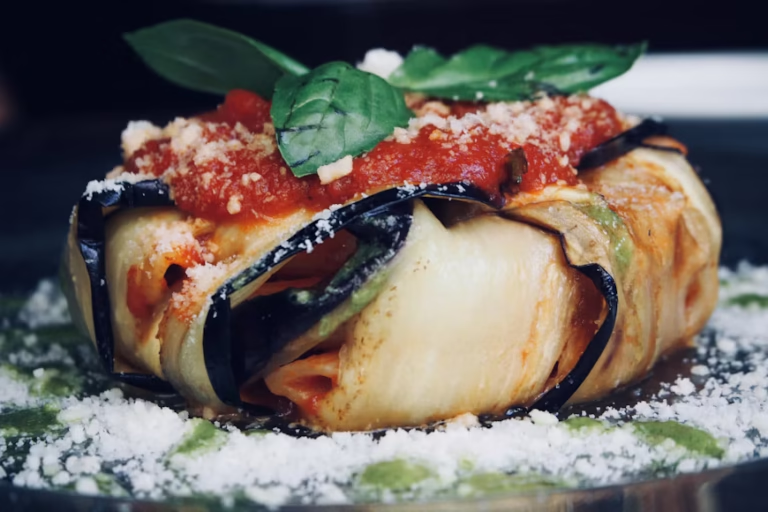
Classic Italian Seafood Pasta
Spaghetti allo Scoglio (Frutti di Mare alla Napoletana)
The crown jewel of Southern Italy's coastline: bronze-extruded pasta coated in an emulsified glaze of sweet clam and mussel nectar, dry white wine, garlic-infused olive oil, tender calamari rings, and plump seared prawns. Learn the restaurant secret of risottare—finishing the pasta directly in the briny reduction for restaurant perfection without heavy butter or cheese.
Recipe Developed by Chef Matteo Vanni
Naples & Amalfi Coastal Cuisine Specialist • Certified Test Kitchen Protocol
The Culinary Science of Pasta Emulsification
Authentic Italian seafood pasta contains zero cream and zero butter. The luxurious, silky sauce that clings to every strand of spaghetti is an oil-and-water suspension formed by combining starchy cooking water (amylose), the natural gelatinous proteins released by steaming shellfish, and cold extra-virgin olive oil.
By boiling the pasta 3 minutes short of package directions and finishing it in the skillet with the shellfish juices (a technique called risottatura), the porous wheat exterior absorbs the marine salinity while releasing surface starch directly into the sauce.
Required Cookware
Spaghetti allo Scoglio di Mare
Active Prep: 15m • Cook: 20m • Yield: 4 Servings • 580 kcal/serving
Ingredients Checklist (Click item to strike out as you prep)
Step-by-Step Culinary Protocol
Purge Clams & Clean Fresh Seafood
Place the Manila clams in a wide bowl of cold salted water (35g salt per 1L water) for 20 minutes to expel any grit. Scrub the mussels under cold running water and pull the fibrous beard toward the hinge to remove. Slice cleaned calamari bodies into 1/2-inch rings and separate tentacles. Peel and devein the wild shrimp, leaving the tail segments intact for visual presentation.
Pro Tip: The Tap Test for Bivalves
Before cooking, tap any open clams or mussels firmly on the counter. If they are alive, they will slowly clamp shut. If they remain gaping open, discard them immediately.
Boil Pasta in Salted Water (Undercook by 3 Minutes)
Bring 4 liters of fresh water to a rolling boil in a stockpot. Season with 2 tablespoons of coarse sea salt (the water should taste like clean ocean brine). Drop the bronze-cut spaghetti or linguine. Stir continuously for the first 60 seconds to prevent sticking. Set timer for 8 minutes—we want the strands very firm (al chiodo), as they will finish cooking in the seafood juices.
Steam Bivalves with White Wine & Garlic
Heat 2 tablespoons of extra virgin olive oil in a wide, deep skillet over medium-high heat. Add half the sliced garlic and a pinch of crushed chili flakes. Sizzle for 30 seconds until aromatic. Add the cleaned clams and mussels, then splash in 120ml dry white wine. Cover immediately with a tight lid. Steam for 3 to 4 minutes until the shells pop open. Transfer open shellfish to a bowl; discard any that stay shut. Strain the precious briny liquor through a fine sieve to catch any residual sand and reserve.
Flash Sear Shrimp & Calamari
Wipe out the skillet quickly, return to high heat, and add 1 tablespoon of olive oil. Add the prepared shrimp and calamari rings along with the remaining garlic. Flash-sear for 90 to 120 seconds maximum. Calamari only requires gentle heat; cooking it a second too long turns it tough and rubbery. As soon as the shrimp curl and become opaque pink, transfer them into the bowl with the shellfish.
Build Tomato Emulsion & Risottare the Pasta
Pour the strained shellfish nectar back into the hot skillet. Add the halved cherry tomatoes and simmer for 2 minutes until their skins slightly blister and burst. Transfer the undercooked pasta directly from the boiling pot into this bubbling skillet. Add 1/2 cup of starchy pasta water. Toss and shake the skillet vigorously over medium-high heat for 2 minutes. The starch and olive oil will form a glossy, creamy golden veil around each strand.
Fold Seafood, Finish with Parsley & Serve
Remove the pan from direct heat. Dump all the warm steamed clams, mussels, shrimp, calamari, and any accumulated juices back into the skillet. Scatter generously with finely chopped flat-leaf Italian parsley and drizzle with 1 tablespoon of raw, fragrant extra-virgin olive oil. Give the pan a final vigorous toss with tongs to marry all flavors. Twirl onto warm shallow pasta bowls and serve with fresh lemon wedges.
Masterclass Video Demonstration 8:24 4K UHD
How to Master Authentic Spaghetti allo Scoglio
Click play or select a cooking chapter below
Nutritional Profile (Per Serving)
Calculated for 1 plate (~380g) with mixed shellfish, pasta, and pan glaze
View micronutrients, minerals & Omega-3 content...
Recipe Variations & Dietary Adaptations
100% Gluten-Free
Use high-quality Italian corn & brown rice bronze-cut linguine (such as Rummo or Garofalo GF). Because GF pasta releases less amylose starch, whisk 1/2 teaspoon of potato starch into the reserved pasta water before building the emulsion.
Spicy Fra Diavolo Twist
Double the dried peperoncino flakes and stir in 2 tablespoons of crushed Calabrian chili paste alongside 1/2 cup of pureed San Marzano tomatoes for an intense fiery Southern Italian kick.
Low-Carb / Keto Option
Replace traditional durum spaghetti with drained hearts of palm noodles or zucchini ribbons. Sauté the noodles for just 60 seconds directly in the reduced seafood juices so they maintain crunch.
Culinary Science & Troubleshooting
Why is my pan sauce watery instead of glossy and clinging to pasta?
You either threw away your pasta water, drained the pasta completely dry, or didn't boil the sauce hard enough with the pasta in the skillet. The emulsion requires high heat and continuous pan swirling to force the olive oil and starchy water into a suspension.
Why did my calamari turn rubbery and chewy?
Squid collagen follows a strict rule: it is either exceptionally tender when cooked for under 2 minutes, or it becomes rubbery and must be braised for 45+ minutes to soften. Flash-sear your calamari rings for only 90 seconds, then remove from the heat immediately.
Why is the pasta dish overly gritty with sand?
Clams live buried under sea sand. Even farm-raised clams require a 20-minute salted water soak to purge. Additionally, always strain the accumulated shellfish cooking liquid through a fine-mesh sieve or cheesecloth before returning it to the skillet.
Sommelier Wine Pairings & Cultural Heritage
Originating in the vibrant port cities of Naples and Salerno, Spaghetti allo Scoglio translates directly to "pasta on the sea reef." Local fishermen gathered small bivalves and mollusks that clung to coastal rocks to make a communal evening pasta sauce.
Cook's Private Tasting Journal
Note your personal additions (e.g. used Vermentino wine, added baby scallops, or dialed up the red chili). Automatically saved to your browser.